Friday, 5 March 2021
test form
[contact-form-7 id="2378" title="Test form"]Source here: test form. as seen on www.metalmac.com.au

Sunday, 14 February 2021
Blacktown Metal Fabrication Expert
Most people don’t know who to call when it comes to custom engineering projects around the home or commercial space. With such a diverse variety of jobs and tasks, custom metal fabrication expert David McNeice really enjoys the fact that no two jobs are the same and presents it only unique challenges.
Based In Blacktown NSW, David has forged a career helping everyone from metal engineering for large scale industrial facilities to regular domestic custom metal-work projects. Some of Davids skill-sets include, custom welding, garage storage racks, trailer and caravan modifications, fences and security gates, customs jigs, machining, cutting, bending, shaping… You name it, we can probably do it!
There really is no limit to the type of projects we tackle here at Metalmac, except to say we specialize in small to mid size custom metal engineering projects, and we are not involved with large scale structural engineering projects. Domestic, Commercial and Industrial clients are our sweet-spot and we love the challenge of solving your engineering problems with creative and efficient solutions.
Here is a few photos of some recent projects:
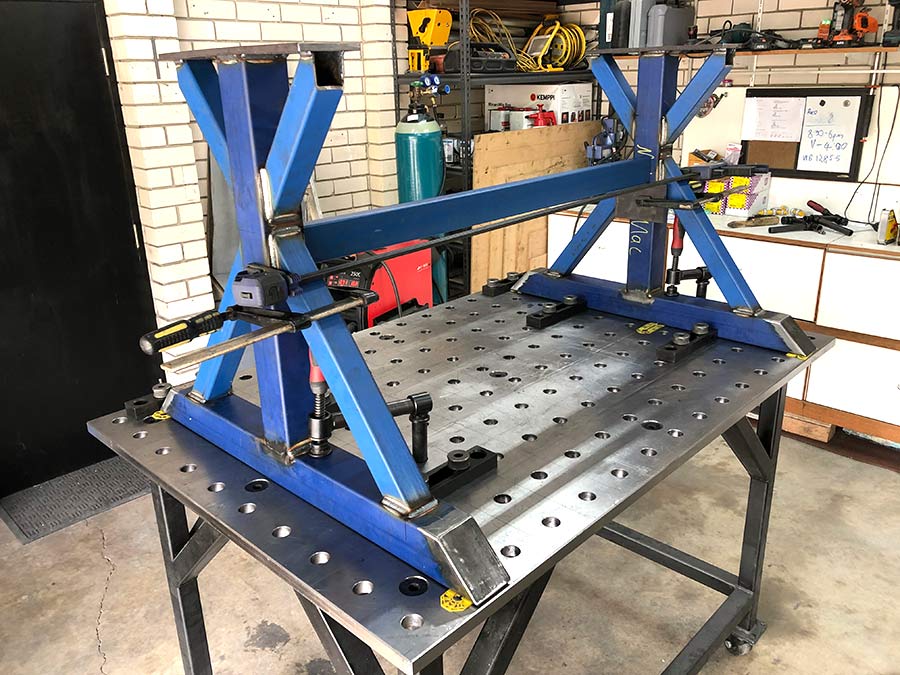
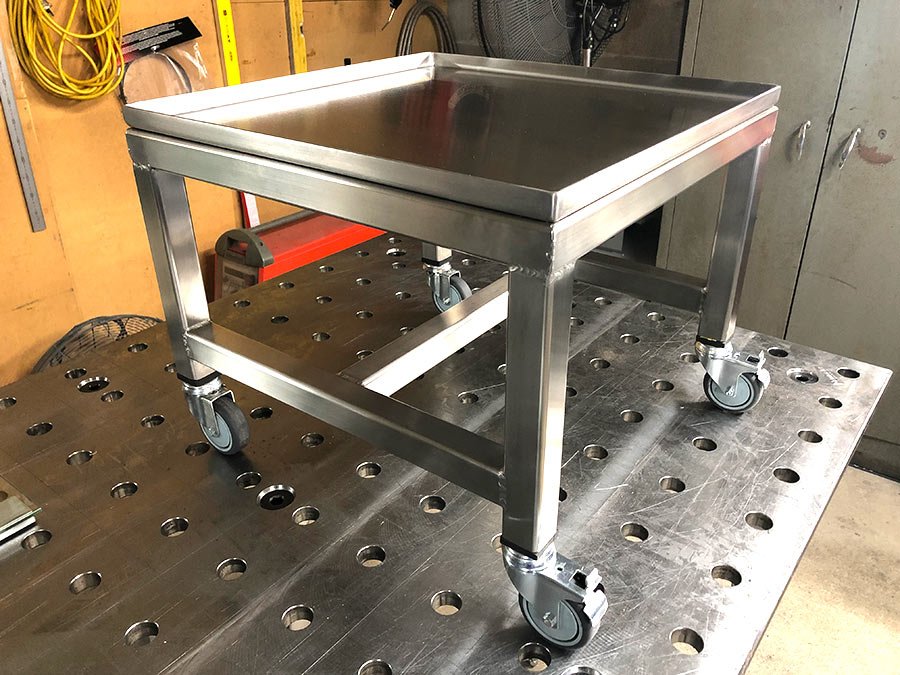
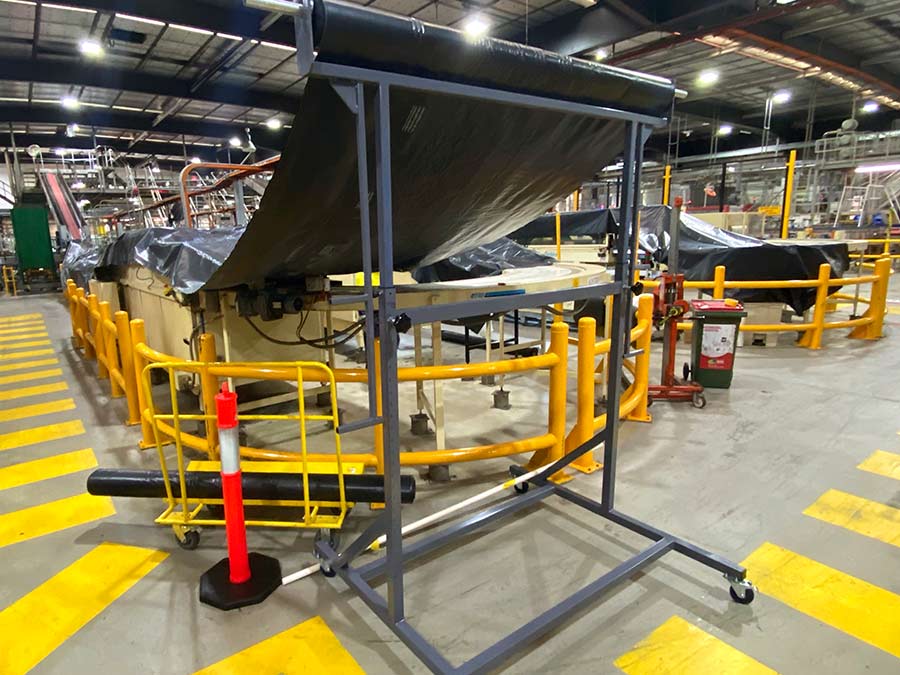
We could never list all the projects we do however, the list will help you further understand our bespoke metal work services:
Every metal fabrication task we do has its own set of unique challenges and problem solving requirements. Below are examples of both projects we have completed and types of projects we like to do
Corten Steel Projects: Cor-ten has become very popular of recent years for is rusty appearance and long weathered life characteristics. It is commonly used for planter boxes, artistic structures, gates, doors and many other outdoor steel projects.
Originally Published here: Blacktown Metal Fabrication Expert. published by MetalmacSunday, 31 January 2021
COR-TEN Steel
Corten is a weathering steel, which is commonly used in projects where painting is not required or not preferred. When exposed to weather, Corten Steel (COR-TEN™) forms a stable rust-like appearance and due to its specific mix of steel alloys, it continues to resist corrosion due to harsh weather conditions for many years.
Corten gets the name ”weathering Steel” due to its ability to form a protective layer on its surface as a result of being exposed to atmospheric conditions. Due to its chemical composition, it is able to resist atmospheric corrosion better than other forms of mild steel.
The protective layer forms as a result of the specific concentration and distribution of the element alloys in it, and the protective surface layer develops and regenerates continuously as the steel forms rust.
With the rising popularity of aged and weathered looking outdoor structures, so too is the popularity of Corten Steel. Also known as ’weathered Steel’, or ’COR-TEN ™’, this very durable material can be used for many different purposes in an outdoor landscape setting. With a number of considerations to take into account that vary from other mild steel projects, Metalmac can produce top quality customised Corten Steel fabrications for any purpose.
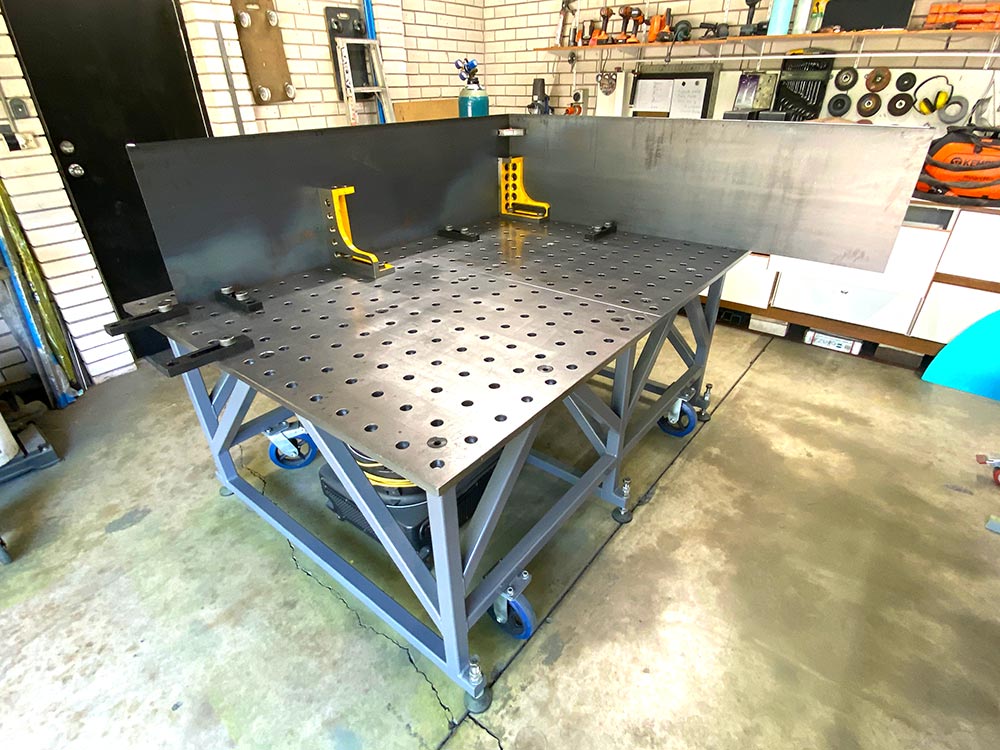
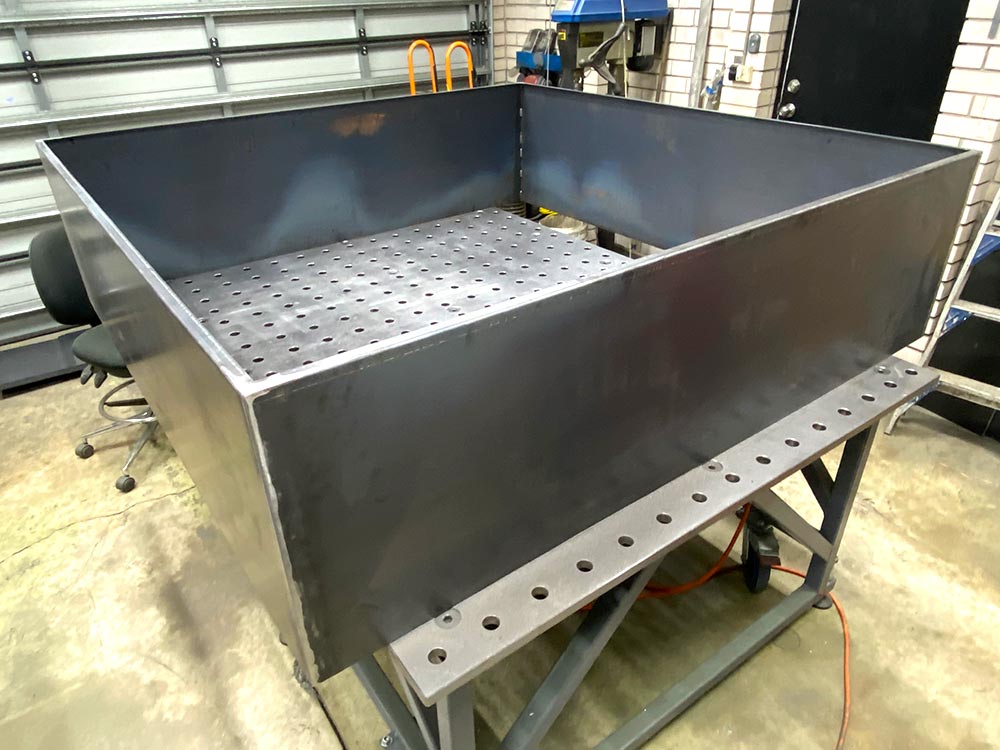
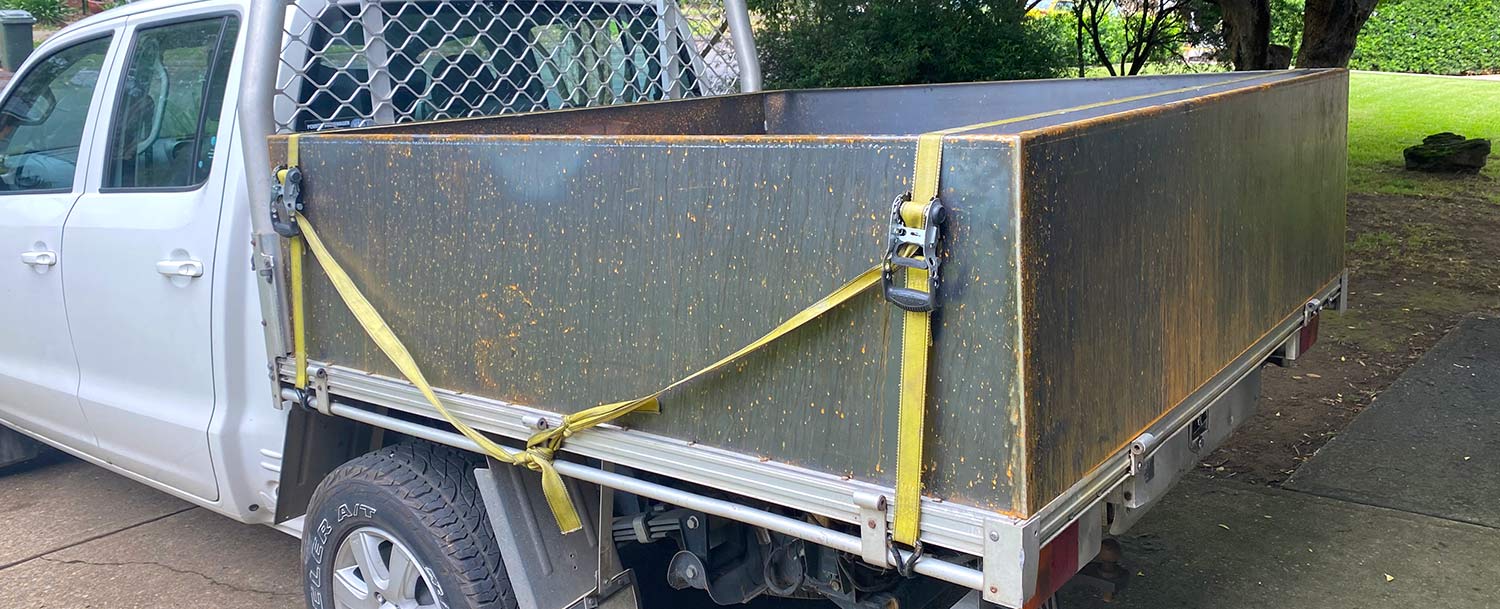
Because of its rustic visual appeal, Corten is commonly used for some of the following examples:
| Planter Boxes | Doors | Lighting | Gates |
| Fences | Retaining Walls | Landscape Artwork |
Corten Steel was originally developed in 1933 and patented by the United States Steel Corporation. Not along after this, the developers realised that this steel had unique controlled corrosion properties and applied the trademark name Cor-Ten.
Due to the exceptional mechanical resistance of corten, it was used early on in railroad passenger cars both painted and un-painted, storage containers and for bulk transport purposes.
See Full Article here: COR-TEN Steel. as seen on https://metalmac.com.auSunday, 24 January 2021
Conduit Packaging Jig
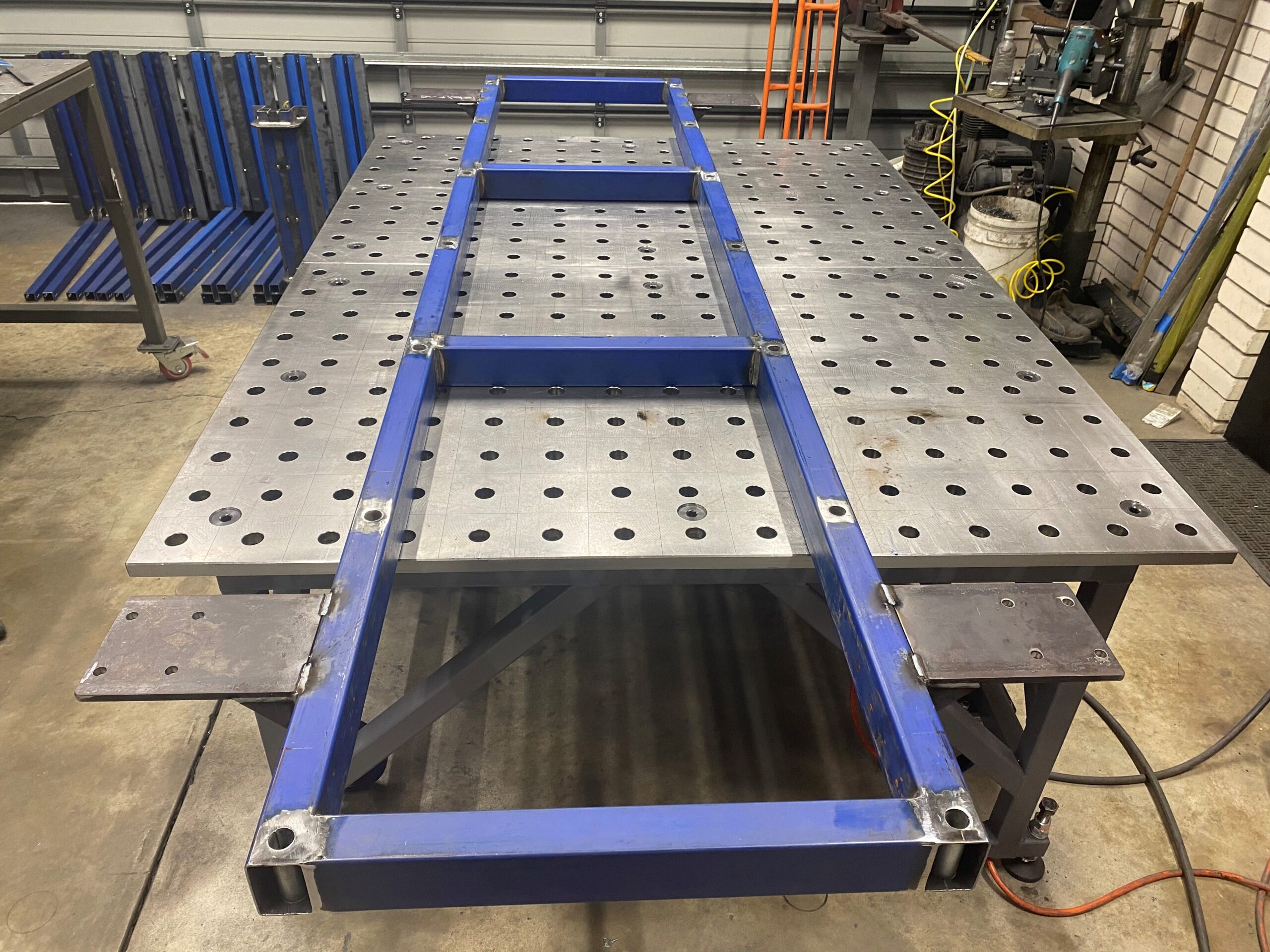
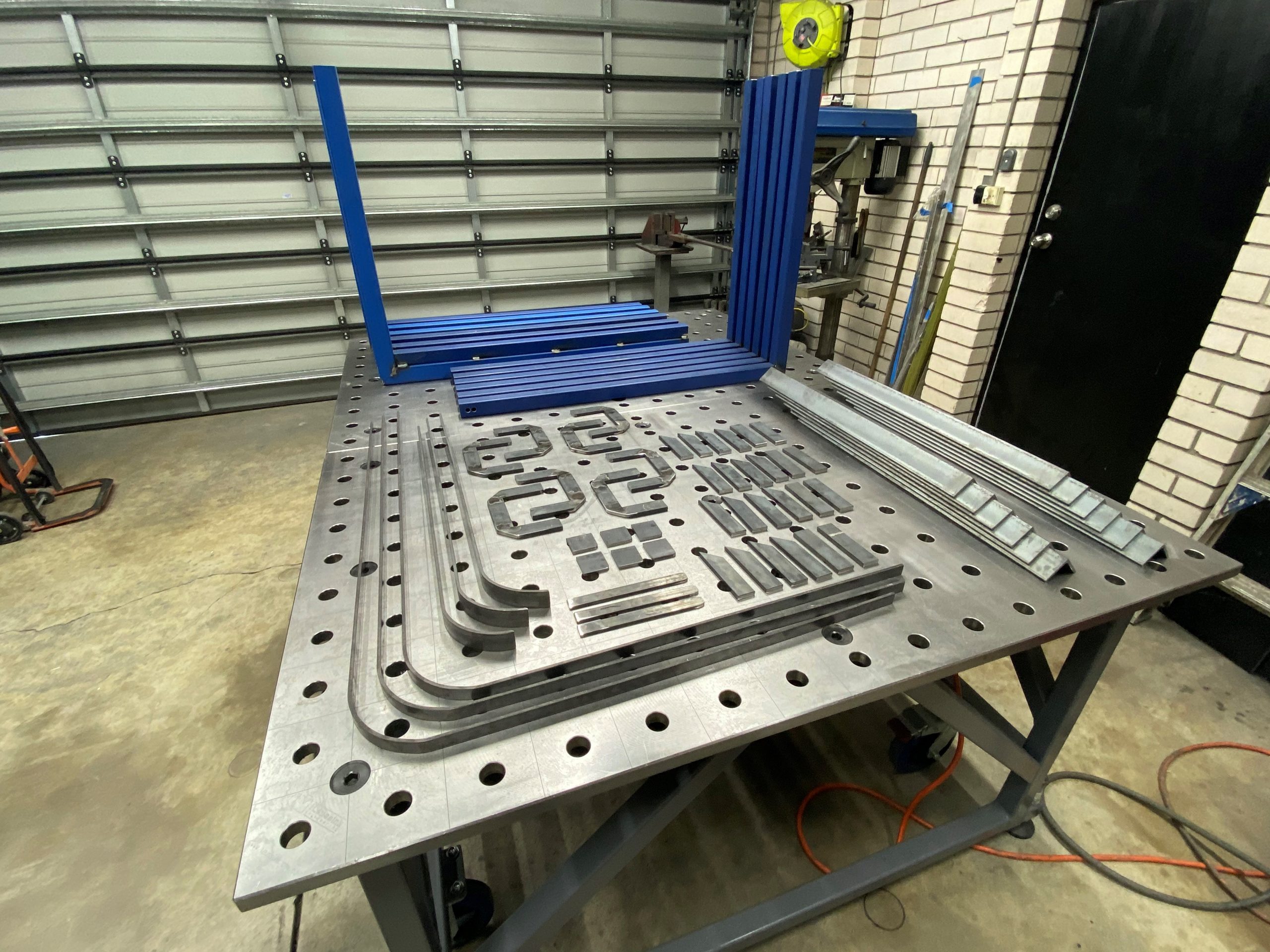
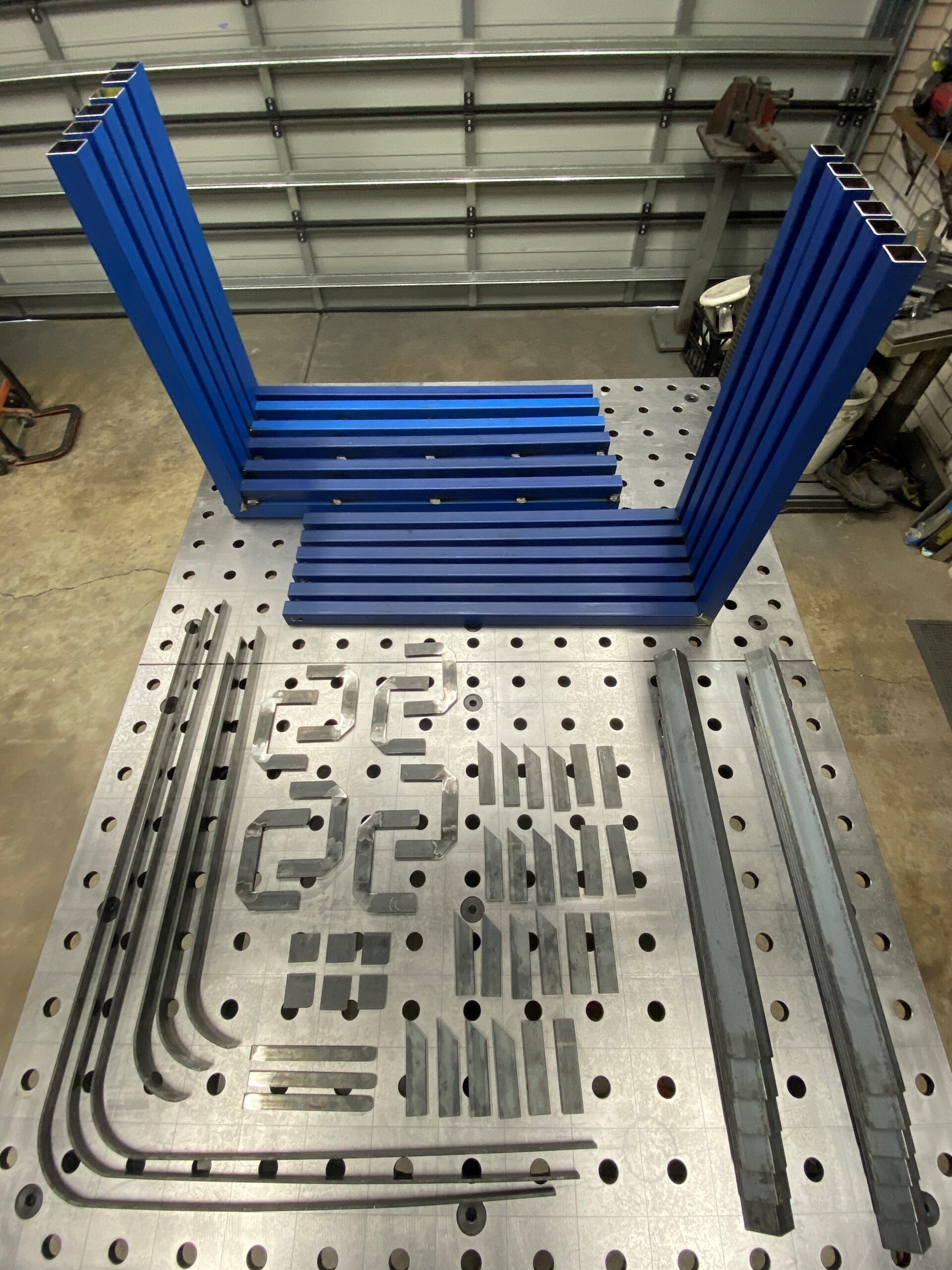
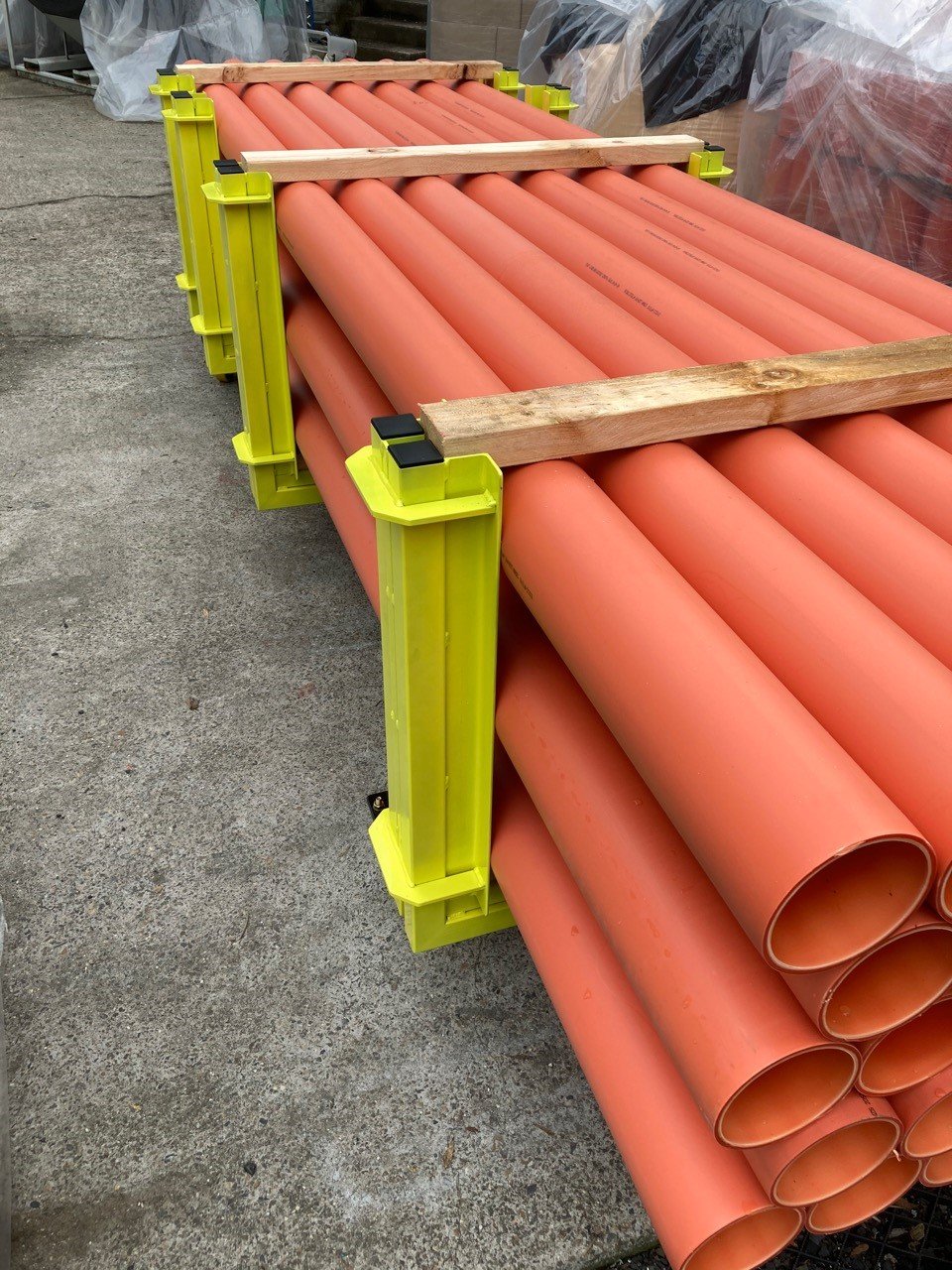
Hi All, it's been a while since my last post as I have been really busy fabricating away and seems the rebound out of COVID has been as dramatic for me as the initial slowdown during the peak of lock down....I hope many of you are also seeing the same and if you are not quite there yet hopefully not far from it although I am mindful there is still some hardship out there so all the best if in that situation. One of the more unique projects of late is developing a Conduit Packaging Jig to help a local (Hills District, Sydney) manufacturer to streamline that operation. The Business owner armed with some concept drawings engaged Metalmac to tweak the design in to a practical working fabrication. They are now able to 'stack crates with ease' and 'saving heaps of time compared to previous methods'. Some core functions of this project are the jig is actually founded on a trolley base, which means it can easily be pushed around the yard to the location it is required. Once the jig is in the correct location it becomes very easy to position and fix the timber packaging and easy to stack in the storage location.
Sunday, 25 October 2020
Woodfired Pizza Oven Trailer Installation / Fit Out
The latest addition to Mama Mia’s Mobile Pizzeria Fleet (https://ift.tt/31Fji4m). Drawbar modifications including, removal of old woodfire oven, full steel subframe, aluminium tread plate to the storage area, aluminium flat sheet to the van, new woodfire oven installation, and, exhaust installation completed by Metalmac. David from Metalmac enjoyed coming up with the design and installing the new woodfire oven but the biggest reward was of course the fantastic woodfire pizzas at the end of the job. See More here: Woodfired Pizza Oven Trailer Installation / Fit Out. published by metalmac.com.au
Thursday, 13 August 2020
Metal Fabrication

LOOKING FOR AN EXPERT STEEL FABRICATOR?
Customized metal fabrication is a process that involves measuring, cutting, machining and welding any kind of steel materials to specific dimensions, to meet the needs of the customer. A fabricator will usually be called upon to carry out the work because the requirements of the item can not be met through a commercially available or a standard-sized mass-produced item. This makes a metal workers role extremely diverse as every new job brings a new challenge both from creativity and an engineering standpoint.
It was the challenge and reward described above that always interested expert steel Fabricator David McNeice, and this interest carried him down the path of refining his craft to the point where he decided to start his own engineering workshop that we now know as
Metalmac.
Based in The Hills Shire of north-western Sydney, David services everyone from local domestic and commercial clients, through to onsite maintenance work and welding for major projects and industrial manufacturing facilities.
At Metalmac, all our work and processes are born out of a desire to create the most enjoyable and rewarding experience for our customers as possible. This includes helpful ideas and advice on new job enquiries, highest quality guaranteed workmanship and great value for money. David works as a one-man operator, so you are not paying for the overheads that come with running staff and a large company.
46 Hutchins Cres
Kings Langley NSW 2147
Ph. 0499 499 455
https://maps.google.com/maps?cid=17119035682025509707
WORKING WITH A METAL FABRICATOR
As previously mentioned, A metal fabricators role is extremely diverse with each project having its own context and requiring a customised engineering solution. Quite often, It is not only the experience of the fabrication company doing the work but also the ability of its employees to create, design and adapt dynamically.
- Job Requirements
When a customer first meets with a custom metal fabrication expert, they will start by asking a series of questions about the engineering requirements of the project. From here they will consider several different aspects such as dimensions, structural strength and integrity, weight specifications, load specifications, architectural considerations, cost considerations, environmental and any other specific requirements. - Materials
With this information in mind, the fabricator can then decide on the most appropriate material for the role. For example, the product may be intended for use in rust-prone environments meaning high-quality stainless steel may be best suited for the role. In other cases, a cheaper material may be able to replace a more expensive material to meet cost constraints. - Design
After a decision has been made on requirements and materials metal fabricator can then use his creativity and technical knowledge to create a design incorporating all of the required components. When he is satisfied with the design it can then be sent to the client for final approval. - Assembly
Usually the most interesting and rewarding part of a job, the construction phase can include any number of tools and processes including machining, welding, CNC cutting, forming, bending, forging, stamping and many other manufacturing processes.A high-quality end result will be determined by a number of qualities about the individual(s) performing the work including, craftsmanship, attention to detail, equipment used, materials used and time taken.
METAL FABRICATION MATERIALS WE WORK WITH
Below is a list of many of the steels, alloys and other materials we work with.
- Abrasion-resistant plate
- Steel and steel alloys
- Stainless steel
- Galvanized steel
- Carbon steel
- Black Iron
- High-temperature super-alloys
- Nickel and Nickel Alloys
- Aluminium
FAQ
What Does a Metal Fabricator Do?
The role of a metal fabricator is very diverse with just about every job being unique with its own custom requirements, however the role can be defined as follows:
“A Metal Fabricator is responsible for machining, shaping, forming, bending and welding metal to specific dimensions and manufacturing requirements to create custom engineering projects for their customers.
This page Metal Fabrication was initially written by David McNeice for the website www.metalmac.com.au
Metalmac46 Hutchins Cres
Kings Langley NSW 2147
Ph. 0499 499 455
https://maps.google.com/maps?cid=17119035682025509707
Monday, 27 July 2020
Metalmac - Metal Fabrication and Welding in Sydney NSW

Metalmac is a Custom Metal fabrication and Welding Workshop based the the Hills District of North Western Sydney. We specialize in small to mid-sized custom solutions for our clients which includes just about any domestic steel fabrication job as well as equipment, benches, storage and maintenance for larger manufacturing and industrial facilities.
Metalmac owner David McNeice, has had a life long interest in building and creating useful steel structures and designs for himself and his peers. Being the go-to steel fabricator among his friends and colleagues for many years and after becoming tired of a professional career behind a desk, David made the decisions a few years ago to pursue his passion full-time and has been forging a living from steel ever since.
This post first appeared on https://www.metalmac.com.au/
Tuesday, 14 July 2020
Hills District MetalFabrication Expert
Need A Custom Metal Fabricator in The Hills?
We usually find that most people don't know where to look when they are faced with unusual engineering problems but expert steel fabricator David McNeice has been able to forge a career out of helping people with the same.
Customised fabrications are not just limited to larger industrial facilities and manufacturing plants, but could also be for domestic purposes such as security gates and fences, trailer modifications, garage racking, machinery maintenance or any other projects that involve shaping, bending, cutting, machining or welding steel.
Our Fabrication Project Examples
[caption id="attachment_1495" align="alignnone" width="500"]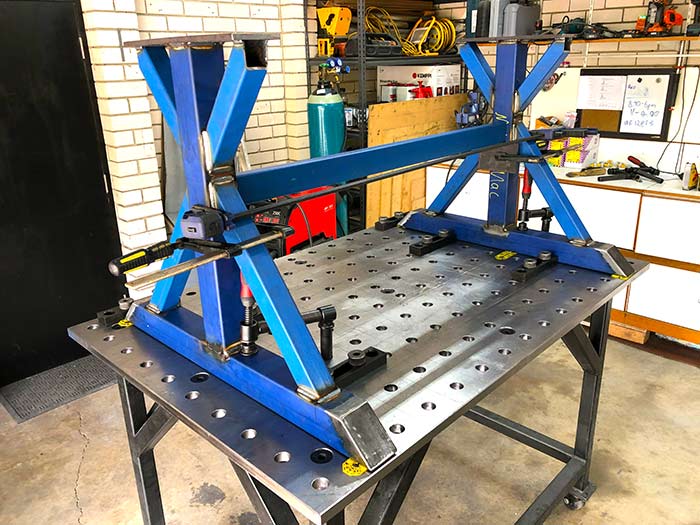 Welding a customized kitchen table leg structure[/caption] [caption id="attachment_1494" align="alignnone" width="500"]
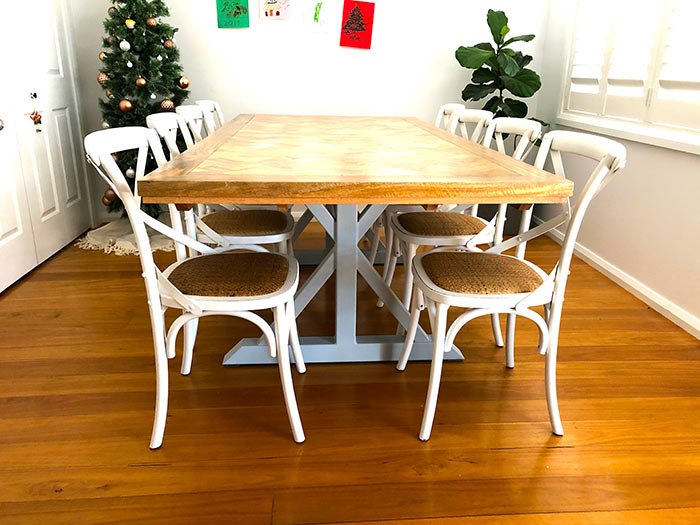 The finished kitchen table leg fabrication installed[/caption]Read Full Article here: Hills District MetalFabrication Expert. as seen on www.metalmac.com.au
Monday, 13 July 2020
Welding Service

LOOKING FOR A PROFESSIONAL WELDING SERVICE?
In reality, most people could pick up a welder and crudely fuse two pieces of metal together, however, to do it precisely, structurally sound and visually appealing is an art that takes years of practice and experience.
Based in The Hills District and Servicing the greater Sydney Metropolitan area, Metalmac owner David McNeice left behind a successful professional career sitting behind a computer to pursue his passion as a Welder and Metal Fabricator. Being able to express his creative side through solving engineering problems and creating effective solutions with his technical know-how is something David finds much more rewarding than his previous employment.
MOBILE ONSITE WELDING
One of our core services at Metalmac is providing a mobile onsite welding service to the greater Sydney metropolitan area. In many cases, this is to service larger industries that have extensive onsite maintenance schedules for both heavy equipment and infrastructure but could also be on the local domestic level services structures such as gates, fences, trailers or anything else made of structural steel.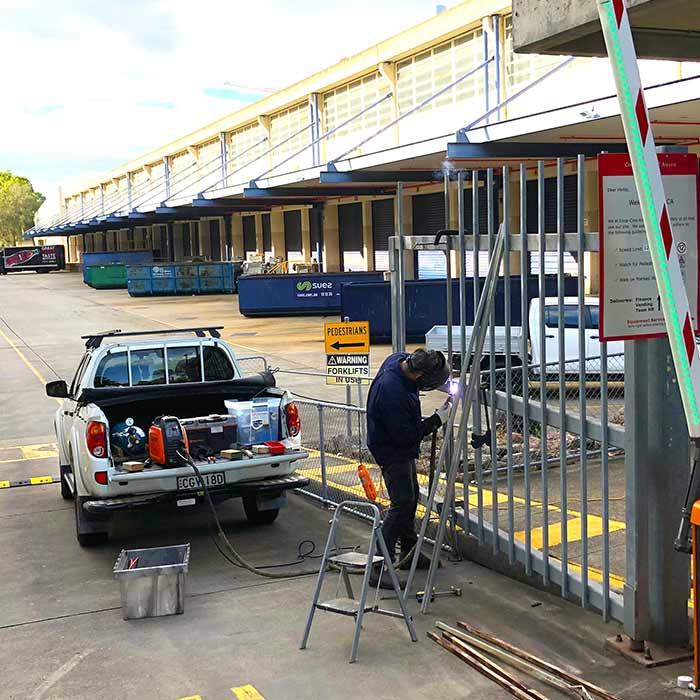
Metalmac owner David McNeice repairing the security gate at a well known Sydnye industrial center
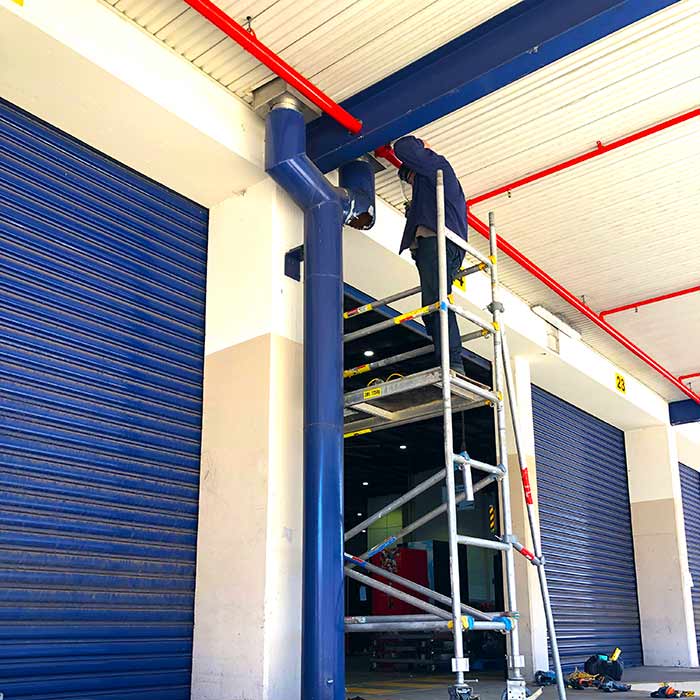
Welding repairs to the fire sprinkler system at a local manufacturing facility
TYPES OF WELDING
MIG
Metal Inert Gas Welding or metal Active Gas Welding is one of the most commonly used techniques in industrial welding practices as it is relatively fast and efficient when compared to some of the older practices.
A MIG welding torch has a thin wire electrode that feeds from a roll on the machine itself. The speed at which the wire is feed can be controlled by the operator as well as the desired power output, amperage. Also feed from the welding gun is a shielding gas that helps prevent oxidation and makes a better quality weld. Atmospheric gases can cause porosity and fusion defects, so the use of argon, helium, carbon dioxide or a mixture of all 3 is used to mitigate this issue.
The advantages of using the MIG is it is easy to use and surface preparation is not as important when compared to other welding processes. The disadvantages are that it gives up a small amount of control when compared to the TIG.
TIG
Tungsten Inert Gas Welding, sometimes referred to as GTAW (Gas Tungsten arc welding) is commonly used on non-ferrous metals such as copper, magnesium and aluminium, but is also the preferred method of welding thin pieces of stainless steel and other iron-based metals.
The big advantage of TIG welding is greater control over the welding process, giving the operator a better chance at creating stronger and higher quality welds.
The disadvantages are the process is slower which adds more time to a job and this welding technique takes an experienced operator. Learning this method of welding is a complex art that can take a good while for the operator to become proficient in.
Stick Welding
Often considered ‘the old way’ of doing things a stick welder is the most basic of welding machines using a stick rod as the electrode, which is also the filler metal that helps to fuse the metals together. There are no protective gases used in stick welding.
Generally, stick or arc welding is still a very good option on heavier structural steels and thicker pieces of metal. When it comes to welding sheet metal or other thin pieces then this is not the best option.
A stick welder is very easy to use and very cheap to purchase.
Plasma Arc Welding (PAW)
The key differences between GTAW and PAW are the electrode is positioned in the body of the torch so the plasma arc is separated from the shielding gas. The gas plasma is then forced through a fine bore copper exit orifice on the torch at high velocities. This high-velocity gas exiting the nozzle is suitable for both welding and cutting purposes not unlike an oxy torch.
The key difference between plasma arc welding and oxy-acetylene welding is the plasma arc is around 28,000 degrees Celcius. By comparison, an oxy-acetylene flame is approximately 3150 degrees Celcius and a normal welding arc is around 10,000 degrees Celcius.
Gas Welding
This is another welding process becoming less and less used as time goes by due to the effectiveness of the TIG. This process usually refers to the use of oxygen and acetylene mixed together in the welding torch and this flame is used to create heat on the job surface. A rod is then applied to the heated joint which then melts to provide the filler metal and the joint strength.
WELDING TOOLS & EQUIPMENT
Luessink welding bench
welding face masks
welding gloves
BOC Welder
WELDING VARIOUS TYPES OF MATERIALS
Aluminium
Stainless Steel
steel
Sheet Metal
The article Welding Service first appeared on Metalmac
Metalmac
46 Hutchins Cres, Kings Langley NSW 2147
0499 499 455
david@metalmac.com.au
https://www.metalmac.com.au/metal-fabricator/hills-district
Saturday, 11 July 2020
What is the Process of Sheet Metal Fabrication?
Fabrication is the process of changing something from one form to another form. Of the various forms of fabrication, sheet metal fabrication is one of the most useful types.
It is believed that metal was discovered even before Man had started to read and write. It was at this phase that human beings started using metal to create rudimentary tools and weapons such as spears and arrowheads. Since then, metal fabrication has moved a long way into metal forming, metal bending, metal cutting, the laser application and much more – increasing its usage far beyond the domain of basic tools and weapons.
 |
Sheet Metal Fabrication |
Sheet metal fabrication
Most metal types are malleable, which means they can be molded into shapes. When metal is shaped into flat and thin pieces, it is termed as sheet metal. The best thing about sheet metal fabrication is that these metal sheets can be then bent and cut into a number of shapes and sizes. They can even be of altering thickness. We can also refer to the thickness of sheet metal as “gauge”.
Sheet metal is not only available in flat pieces but also in coiled strips. Generally, sheet metal is made from brass, aluminum, tin, copper, titanium, nickel and steel. Sometimes silver, gold, and platinum can also be used for decorative purposes.
We use sheet metal fabrication in making products like building materials, airplane wings, equipment for food processing, car bodies and many other things.
There are many processes of sheet metal fabrication
As mentioned above, there are different processes involved to convert raw material into useful items. Some of the most important processes for converting raw material to useful forms are mentioned below:
#1. Cutting
Cutting is the first step to perform for sheet metal manufacturers. There are a number of ways in which metal sheets can be fabricated or processed. Laser beam technology is the newly launched method for cutting. There is no room for any mistake in cutting metal with high beams of laser because it has particular computerized settings that completely control the environment.
#2. Forming
The second step in sheet metal fabrication is forming. In this part, once the metal is cut, it is imprinted into the required form or figure. Usually, the techniques used for forming are rolling and sloping, stamping, welding, winding and hitting. The process of rolling involves using the roll stand to bend the metal and it is manipulated by hand.
#3. Bending
Bending is the method that is used to deform the metal by employing die sets. When we bend the sheet metal its inner metallic surface is compressed and the outer surface gets stretched. The perfect stretch is made possible by bending the metal. This process requires accurate functioning with bending deduction or bending allowances in order to get immediately the right twist.
#4. Stamping
The process of forming a blank sheet metal into the required shape by applying force or high pressure is known as the stamping process. Metal stamping needs nonstop alternatives to the stamping designs and motions that must be achieved. Stamping involves a deep-drawn method in which great energy is leveraged on the raw material to achieve a seamless finish.
These are a few of the methods that are frequently used for sheet metal fabrication in manufacturing industries. These are some simple ways of sheet metal fabrication. This process of metal fabrication is not only used by metal manufacturing industries but also by automobile industries to prepare car bodies and many other parts. Some of the electronic companies also employ metal fabrication. Moreover, if you want to know more then click here.
Subscribe to:
Posts (Atom)
-
[contact-form-7 id="2378" title="Test form"]Source here: test form . as seen on www.metalmac.com.au
-
 LOOKING FOR AN EXPERT STEEL FABRICATOR? Customized metal fabrication is a process that involves measuring, cutting, machining and welding an...
 -
 Metalmac is a Custom Metal fabrication and Welding Workshop based the the Hills District of North Western Sydney. We specialize in small to ...